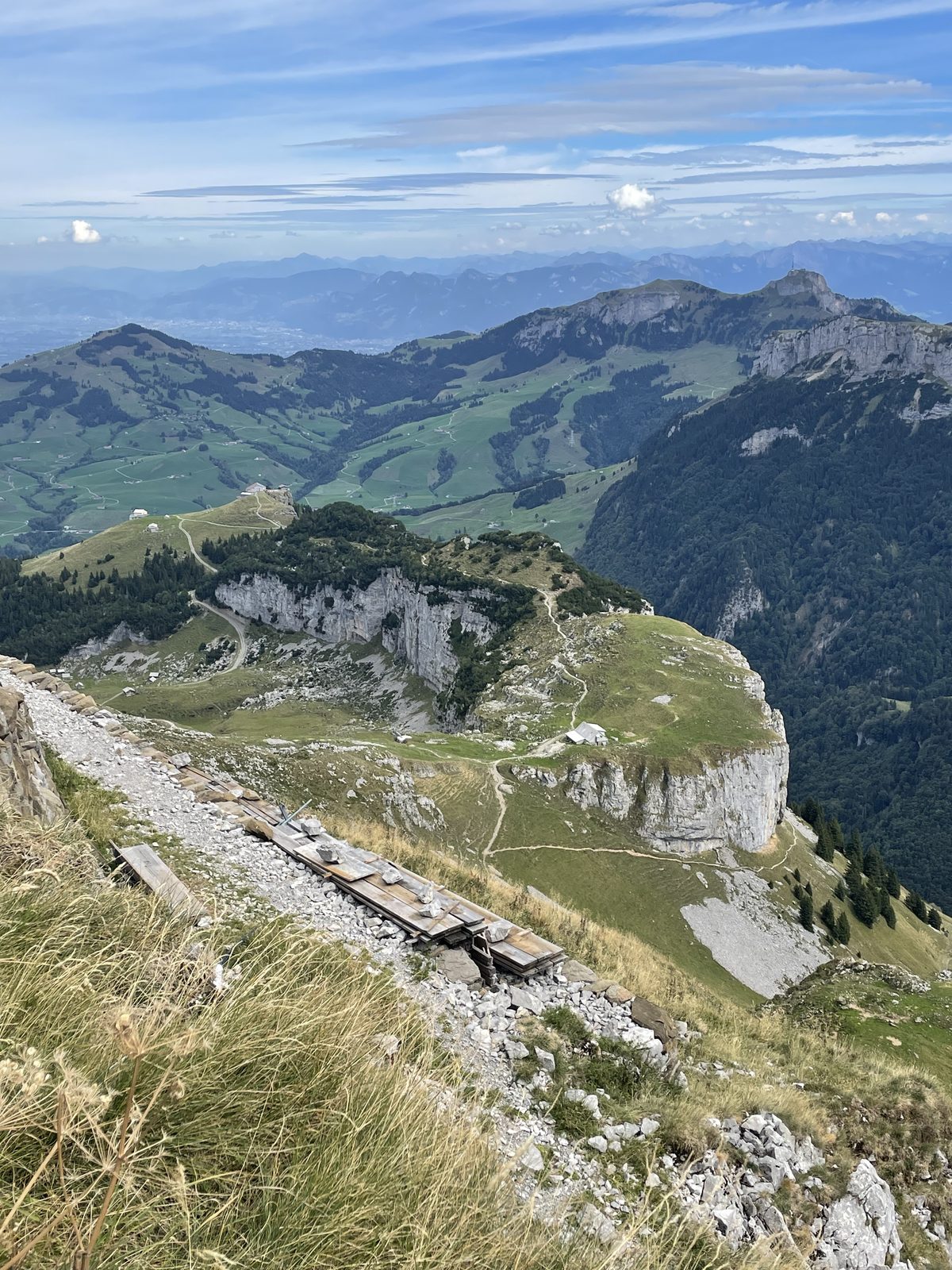
From a serviced apartment in Zurich, I went looking for wine tastings in the city and along the lake, then took the train east to Appenzell for a ridge hike from Ebenalp to the Schäfler mountain inn. Along the way, we met cows coming down from the high pastures, walked across rocks that were once the floor of an ancient sea, and turned back from a cliff trail that was not meant for us.
Settling in Zurich
In Zurich, we checked in again at EMA House, a serviced apartment in a quiet area about a 20-minute walk from the train station, with a kitchen and two bedrooms.
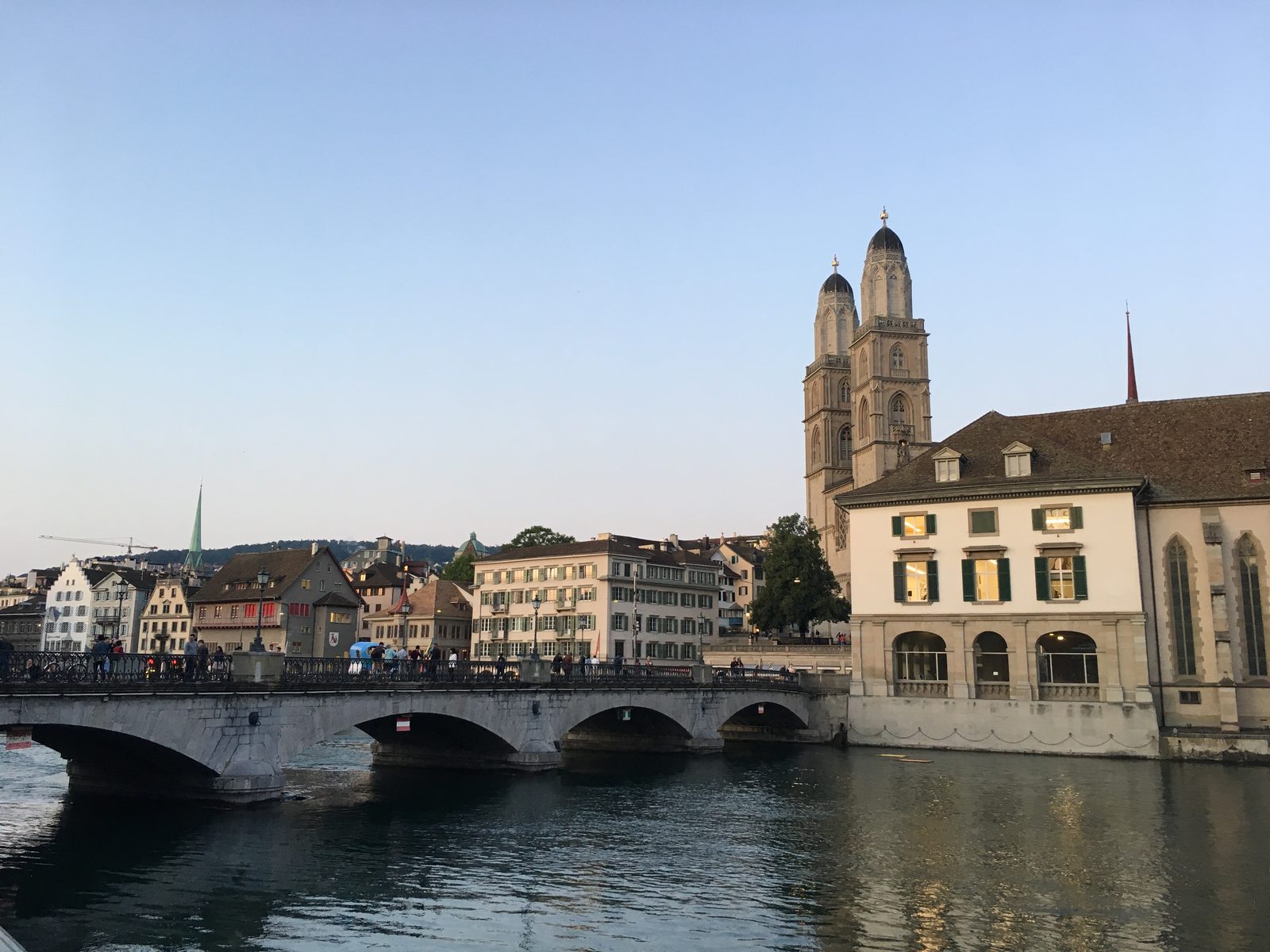
I got busy right away. I checked out the Zurich Stadtbad hammam, made the massage reservations and booked their new head, shoulder and neck massage.
Wine tasting, Swiss style
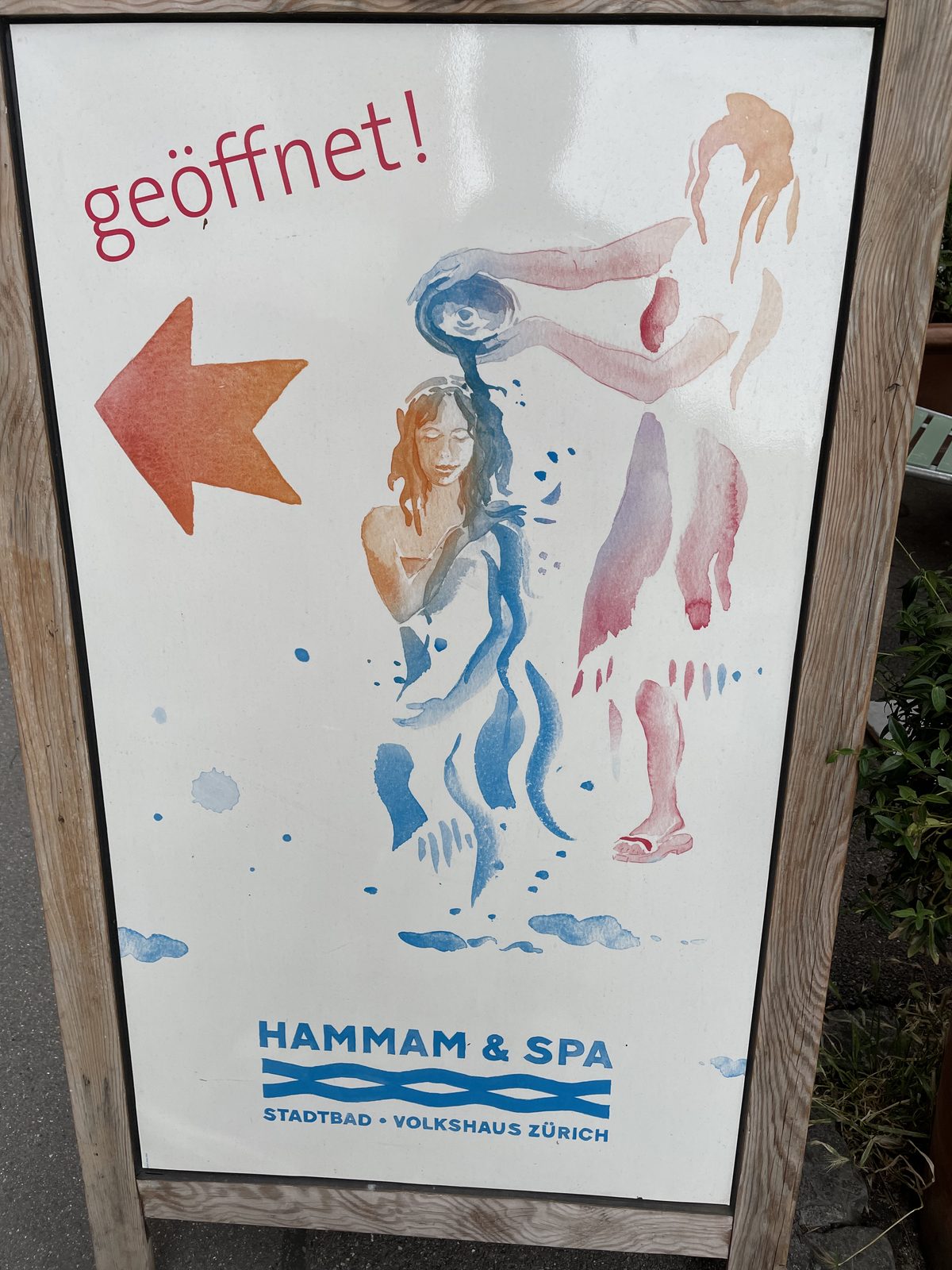
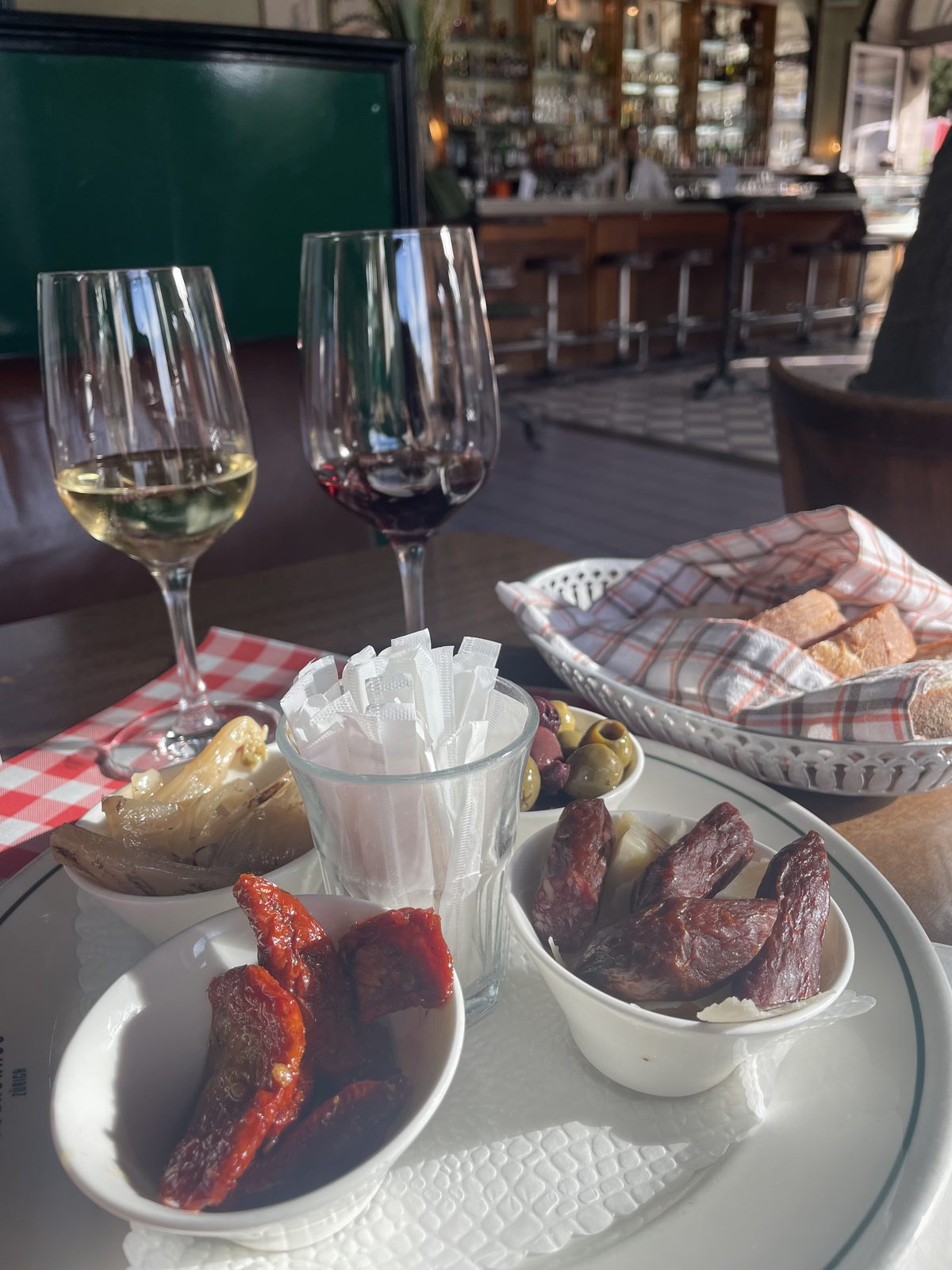
Still on the lookout for wine tasting experiences, I keep stumbling on the same limitations: no weekday tastings, groups only, not during the grape harvest. So we visited several urban wine tasting rooms, and I think I found the perfect place: a wine shop in the gritty but up-and-coming Kreis 5 district. With advance notice, the owner offers a tasting of five wines from German-speaking Switzerland and explains everything about the region's wine industry.
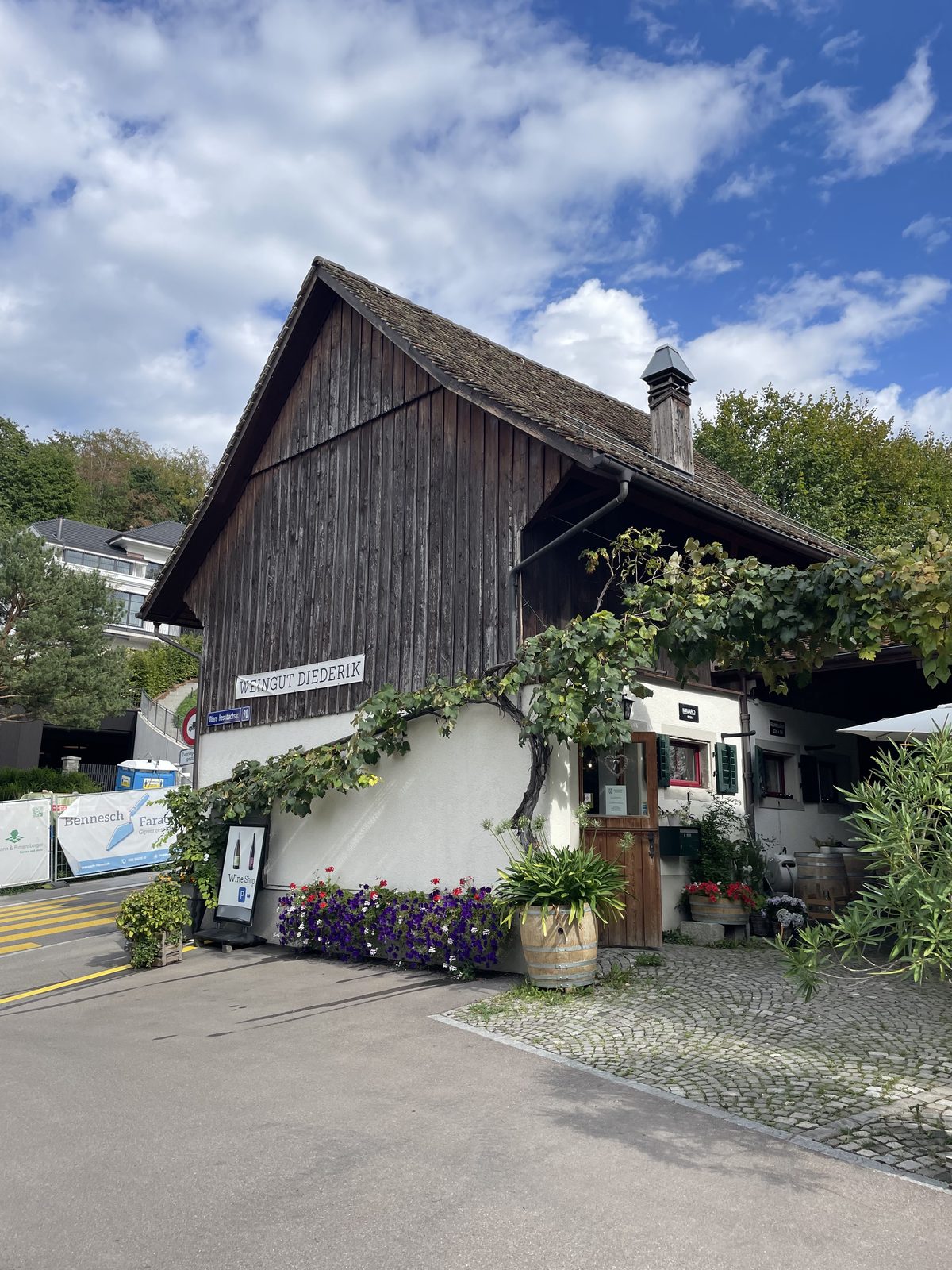
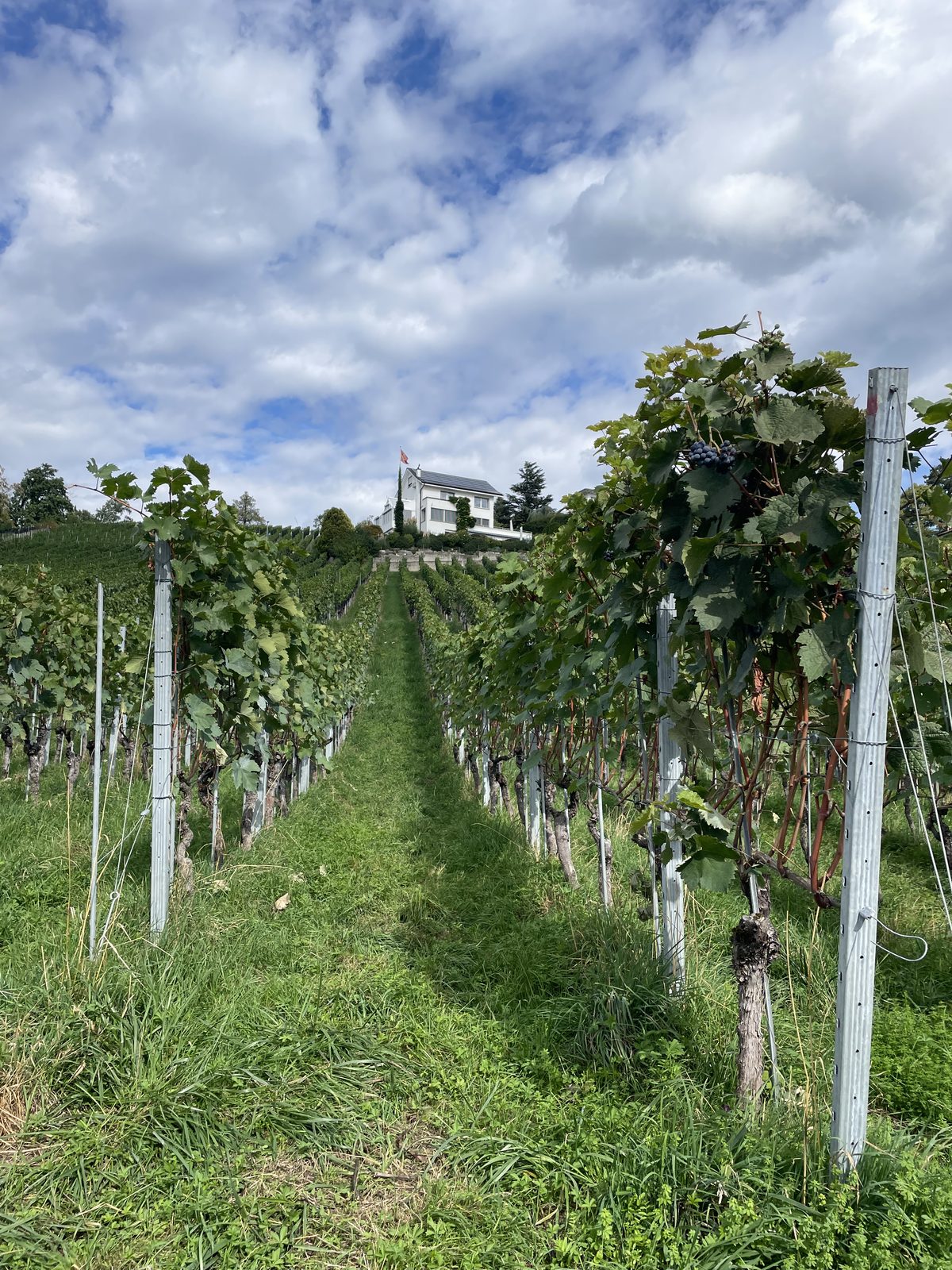
We also visited the charming Diederik boutique winery on Zurich's "Gold Coast" in Küsnacht, a short train ride from the city center. The wines were delicious, and the owner was busy, but she took the time to explain how to book a two-and-a-half-hour vineyard tour with a wine tasting and snacks: a group of six minimum, during the week, between April and August (best between May and July). Noted! They also offer wine tasting every Saturday. They produce Pinot Noir, Räuschling and other classic regional wines.
Hiking the Alpstein: Ebenalp to Schäfler
An Alpabzug on the way
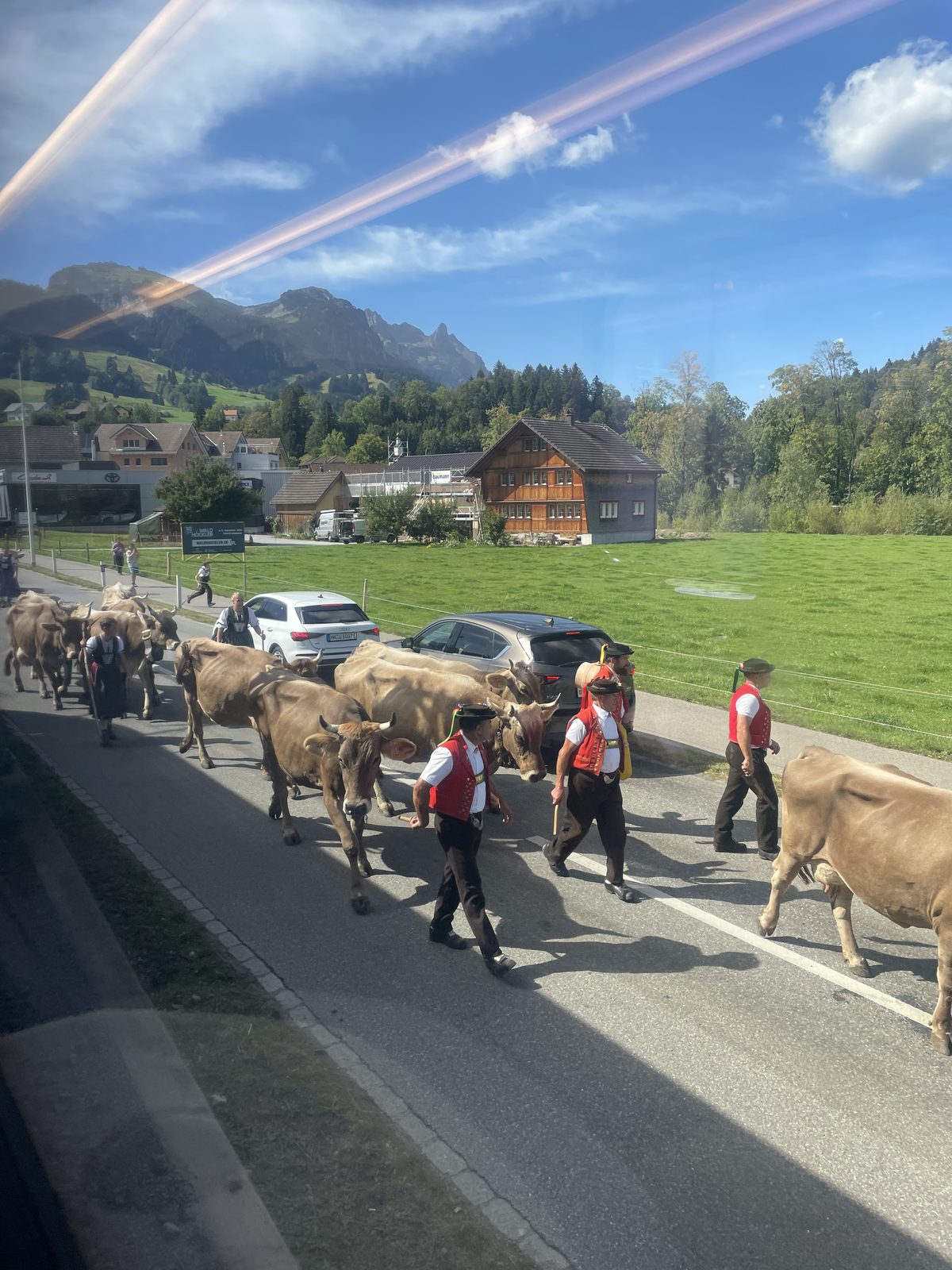
The next day was dedicated to hiking! To reach Ebenalp for our hike to the Schäfler mountain inn, it took almost two and a half hours from Zurich. The scenery from the train is magnificent and makes the journey a delight. Just before reaching Wasserauen, we were lucky to spot an Alpabzug, when local farmers and their children, dressed in traditional clothes, bring their animals (cows and goats, in this case) down from their summer alpine pastures. Some of the cows sported large golden bells attached to black leather collars.
Up to Schäfler
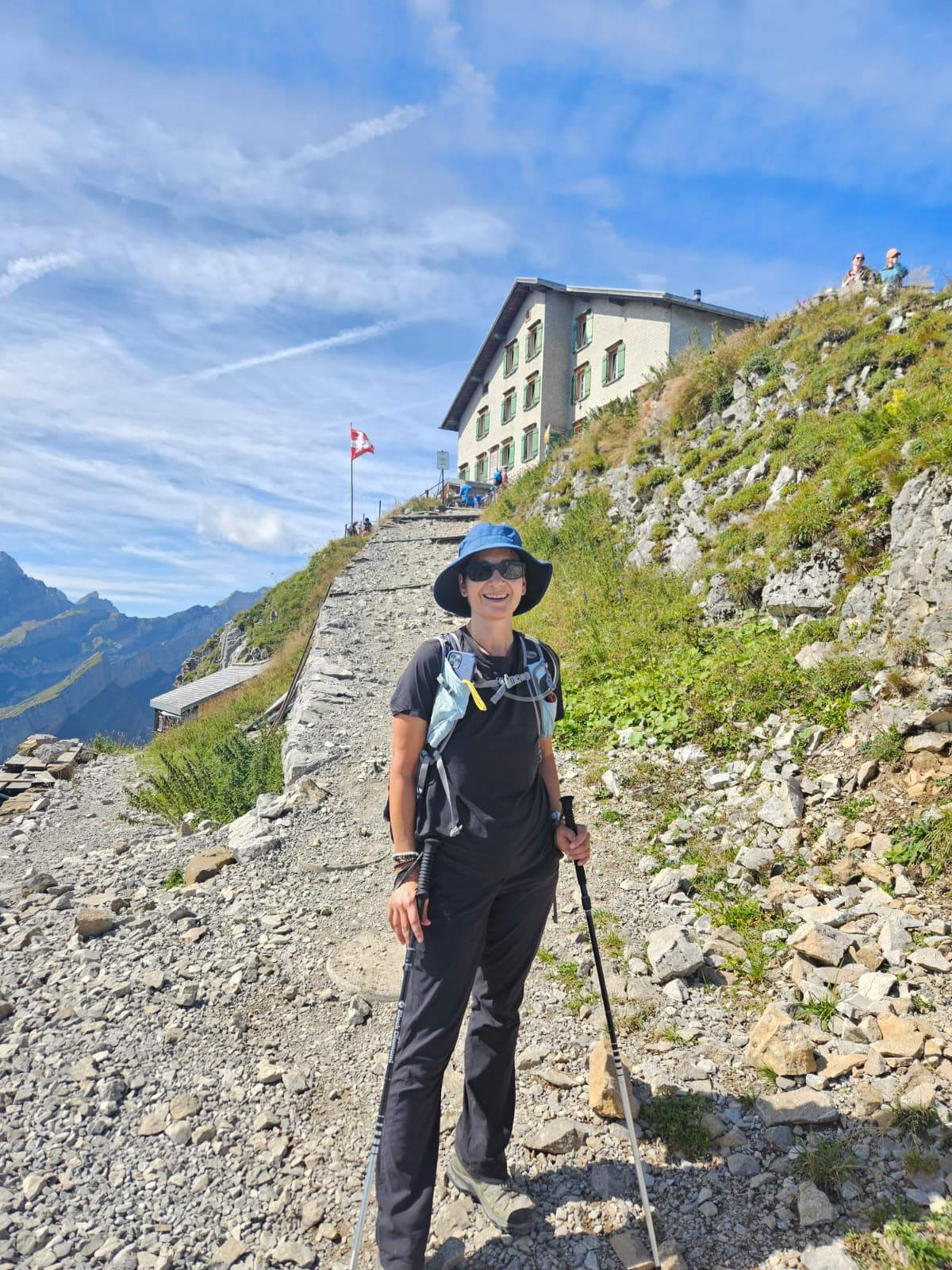
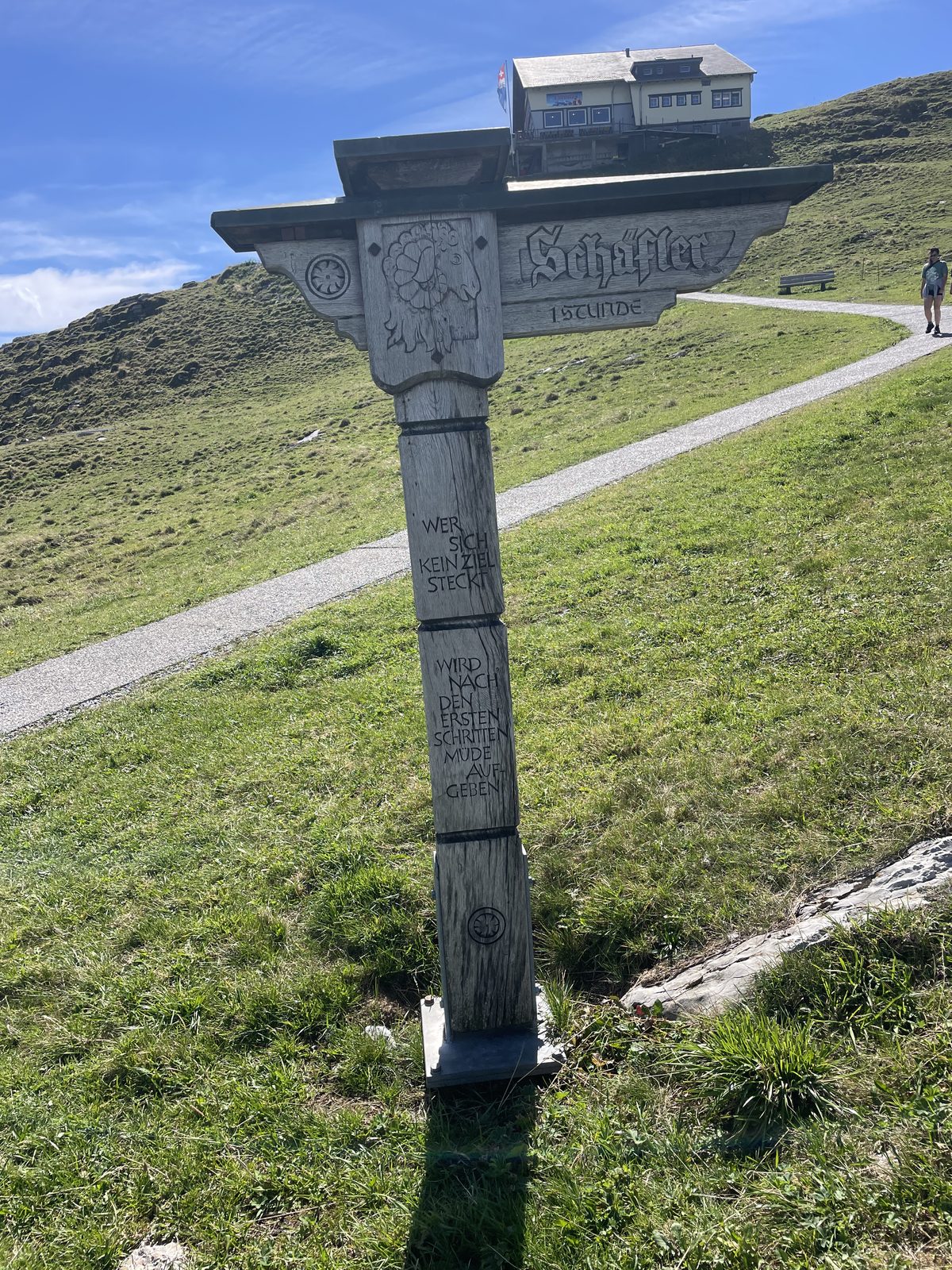
After buying our half-price return tickets (thanks to our Swiss Travel Pass), we zipped up to Ebenalp by gondola. The hike to the Schäfler mountain inn, at about 1,924 meters (6,300 feet), was steep in places, on rocky trails, but it took only about 90 minutes to reach our destination. The views were spectacular, and the hiking is fascinating once you understand the geology behind it.
Walking on an ancient seabed
When we hiked along the ridge, we were walking across rocks that were once layers of sediment on a seabed, later compressed, folded and raised during the formation of the Alps, and then carved by water, weather and glaciers.
Ebenalp sits on the northern side of the Alpstein massif, above Wasserauen, at about 1,640 meters (5,380 feet). It belongs to the same dramatic mountain system as Schäfler, Säntis and the Altenalptürme. The tourist route from Ebenalp toward Schäfler and Säntis goes through an exceptionally rugged section of this massif.
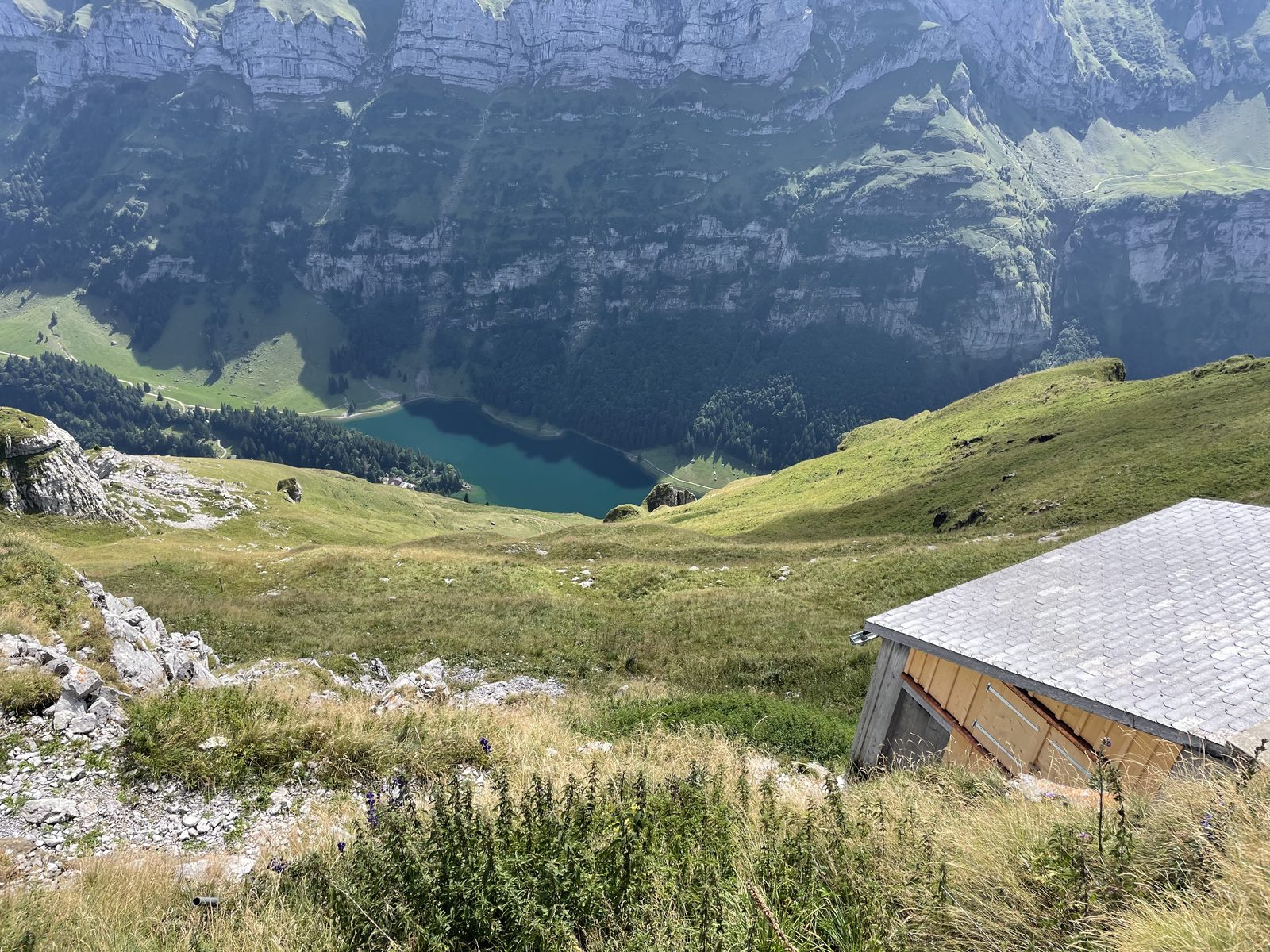
I have become fascinated by the geology of the places I hike. The terrain, or rather the cliffs and the visible tectonic shifts, recounts the geological history of this alpine region.
What makes the Alpstein unusual is that it is essentially a compact, heavily eroded block of folded sedimentary rocks. There are no enormous crystalline massifs of the central Alps here. Instead, the rocks are predominantly sedimentary limestones and related rocks, originally deposited in an ancient sea. Standing on Ebenalp looking at those massive gray cliffs, we're essentially looking at the remains of an ancient seabed that has been lifted thousands of meters into the Alps.
Then erosion did its work. Limestone is relatively hard, but it is also vulnerable to water, because rainwater becomes slightly acidic as it passes through soil and absorbs carbon dioxide. The result was differential erosion: some sections resisted erosion while others were gradually dissolved or broken away. The spectacular vertical cliffs around Wildkirchli and Äscher are the result.
Appenzellerland Tourism describes the Ebenalp landscape as a combination of gentle alpine meadows and steep, rugged rock formations, with the cliffs at Äscher (its cliffside restaurant was on the cover of a National Geographic book before Instagram made it famous) and the Wildkirchli caves providing particularly dramatic examples. The Wildkirchli caves are not random holes in the mountain but karst features, cavities produced as water slowly dissolves limestone.
Water enters cracks in the limestone, dissolves some of the rock and gradually enlarges the openings. Over enormous periods of time, this can turn tiny cracks into fissures, cavities and then caves. The famous Wildkirchli cave system is therefore part of the same geological process that produced the surrounding cliffs. And there's an interesting human-history connection: the caves later became places of habitation and religious retreat. In essence, the geology created the spaces that later became part of the cultural history of Ebenalp.
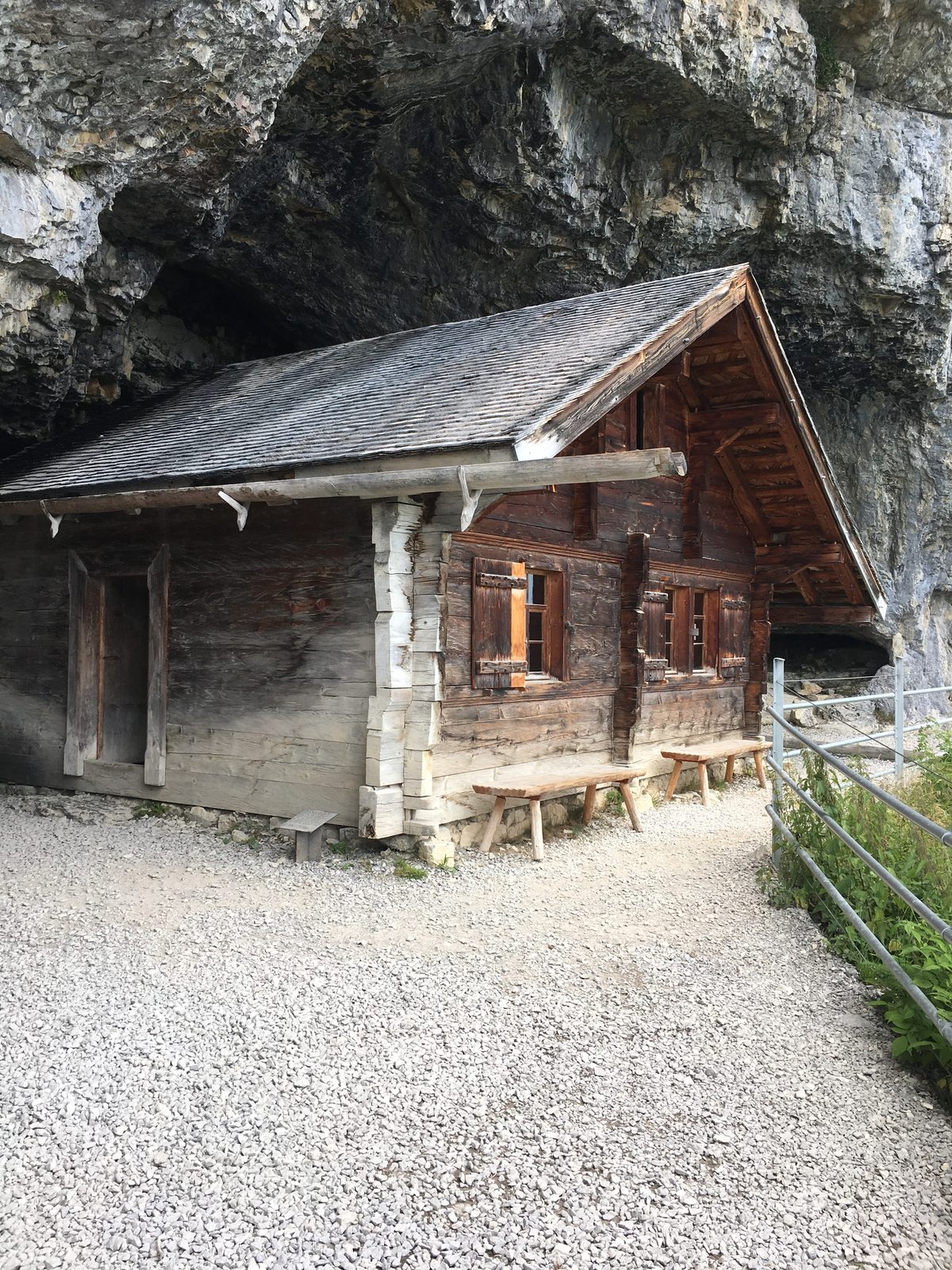
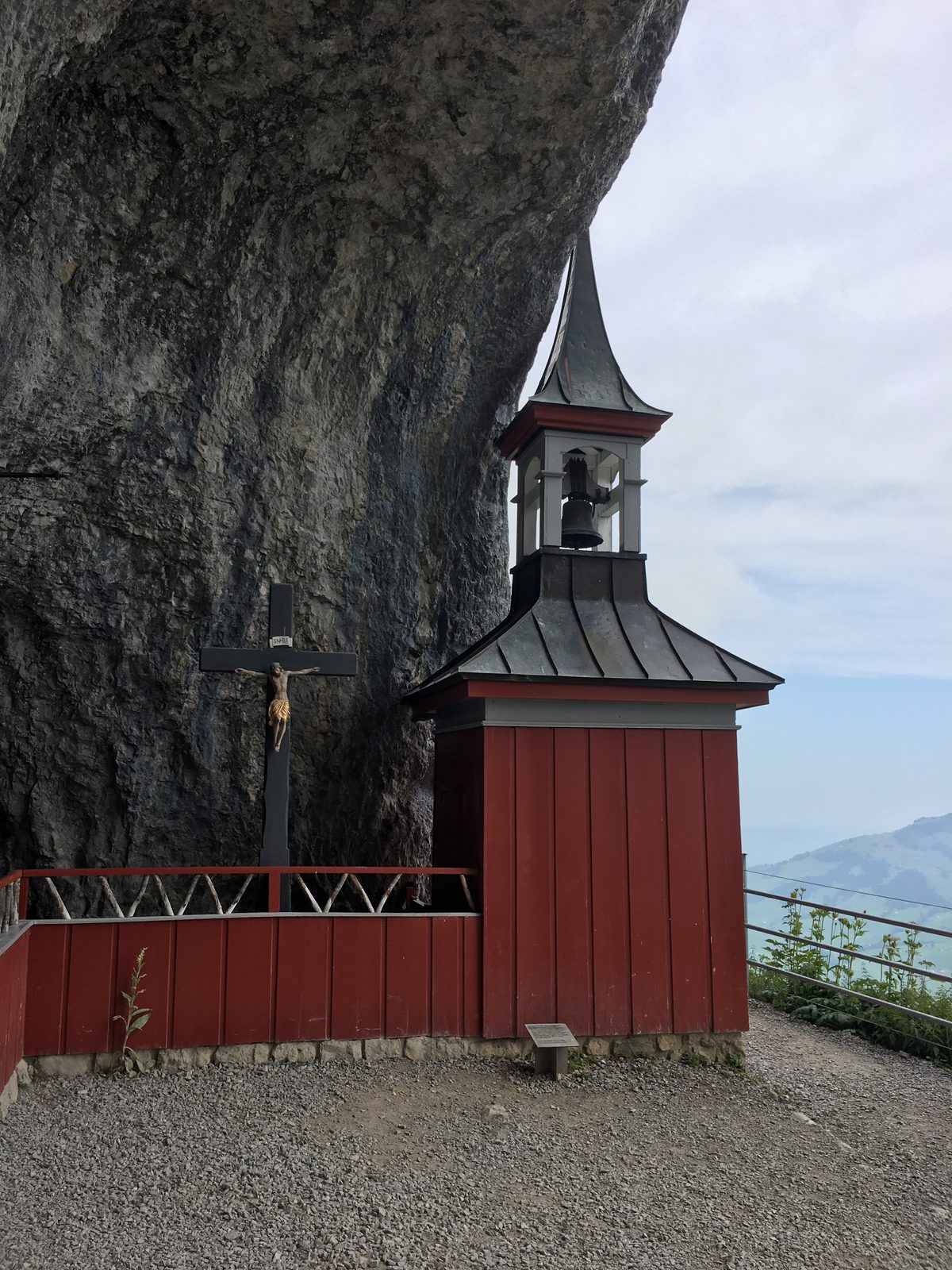
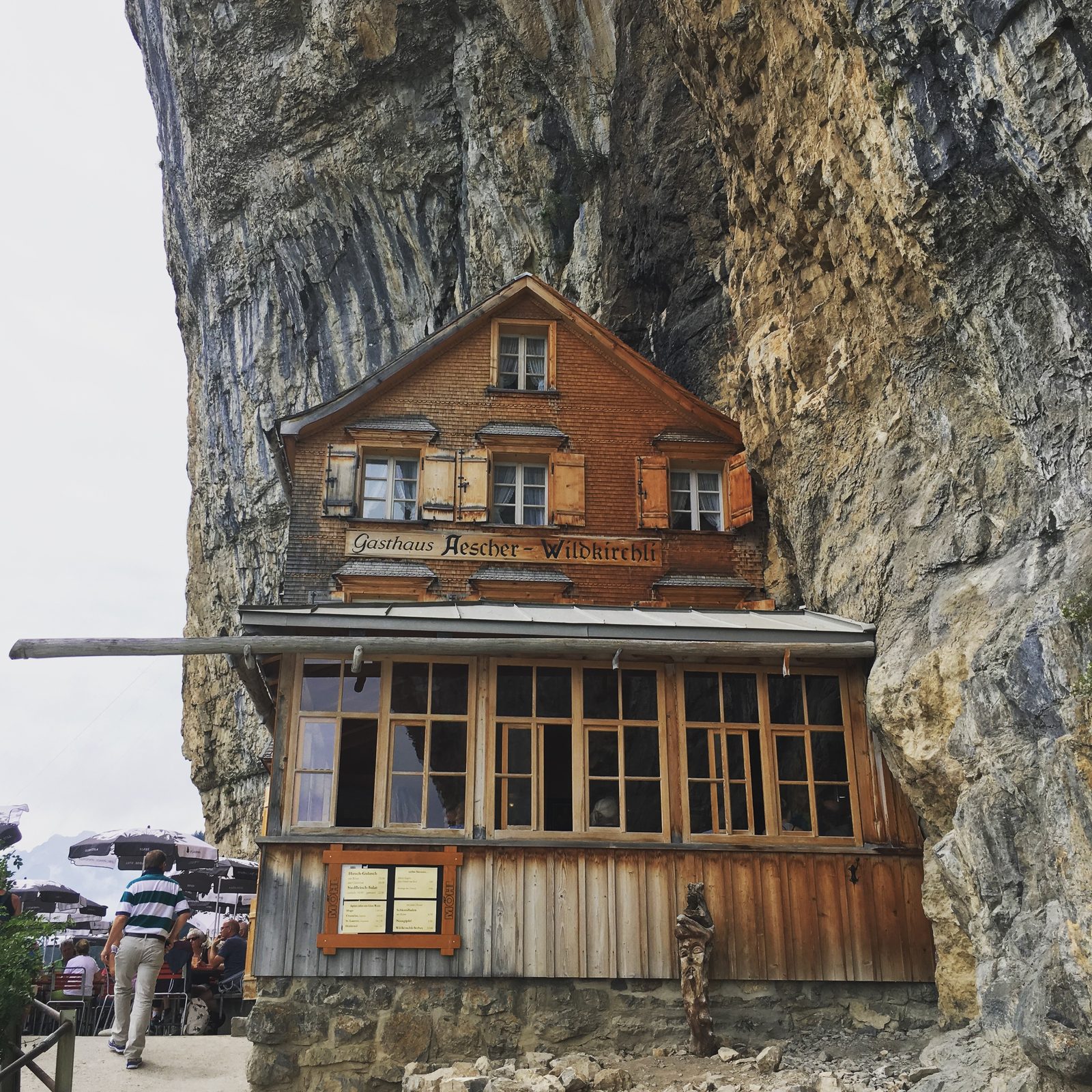
During the Ice Ages, glacial erosion created the steep, almost polished cliff walls of the Alpstein. Hiking there, we see incredible, ever-changing landscapes: undulating pasture meadows, dramatic polished cliff faces, caves and ridges carved into the limestone, and human activity that started 40,000 years ago with cave-dwelling Neanderthals and continues with today's farmers, hikers and tourists.
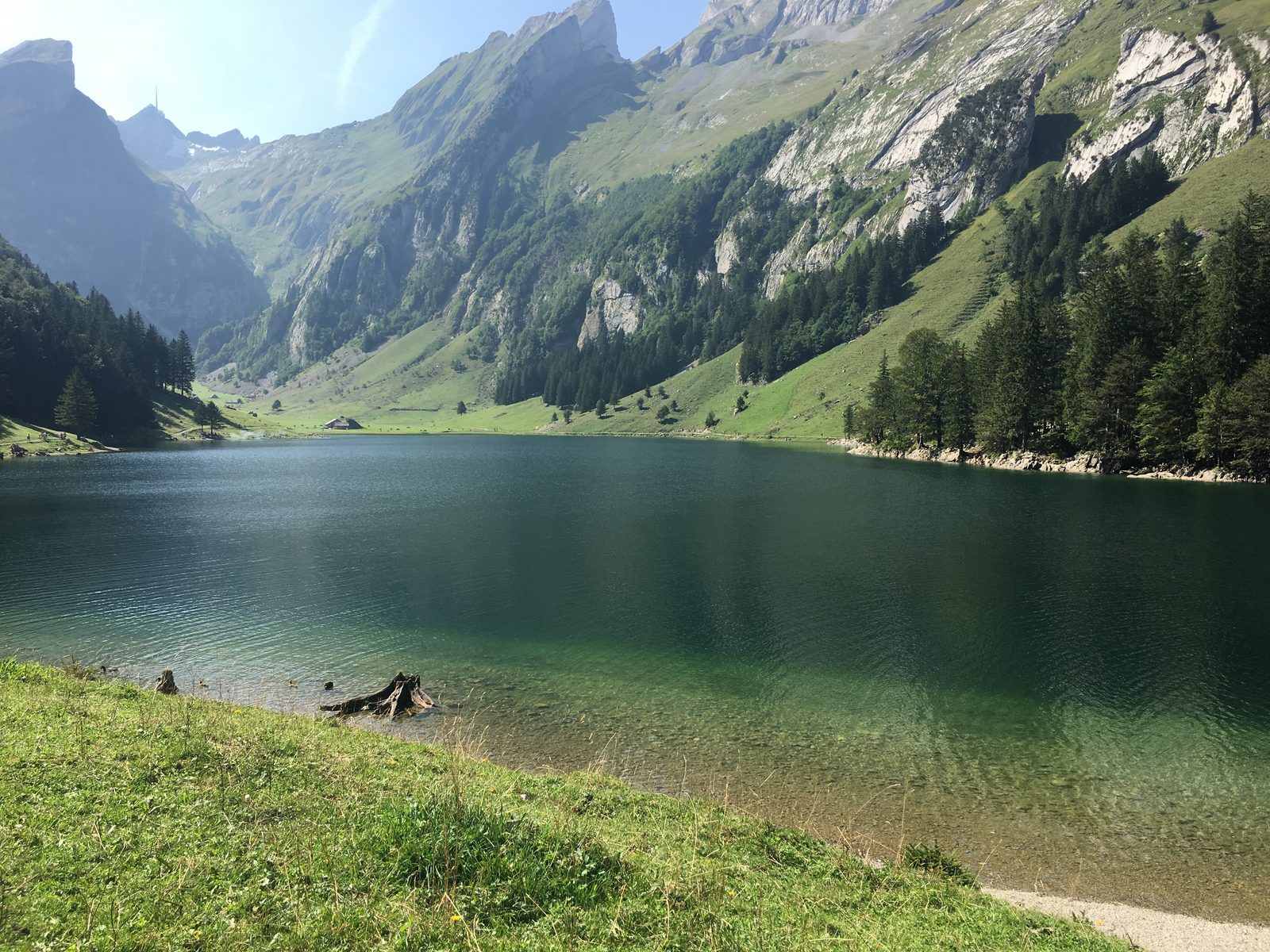
Lunch at Schäfler
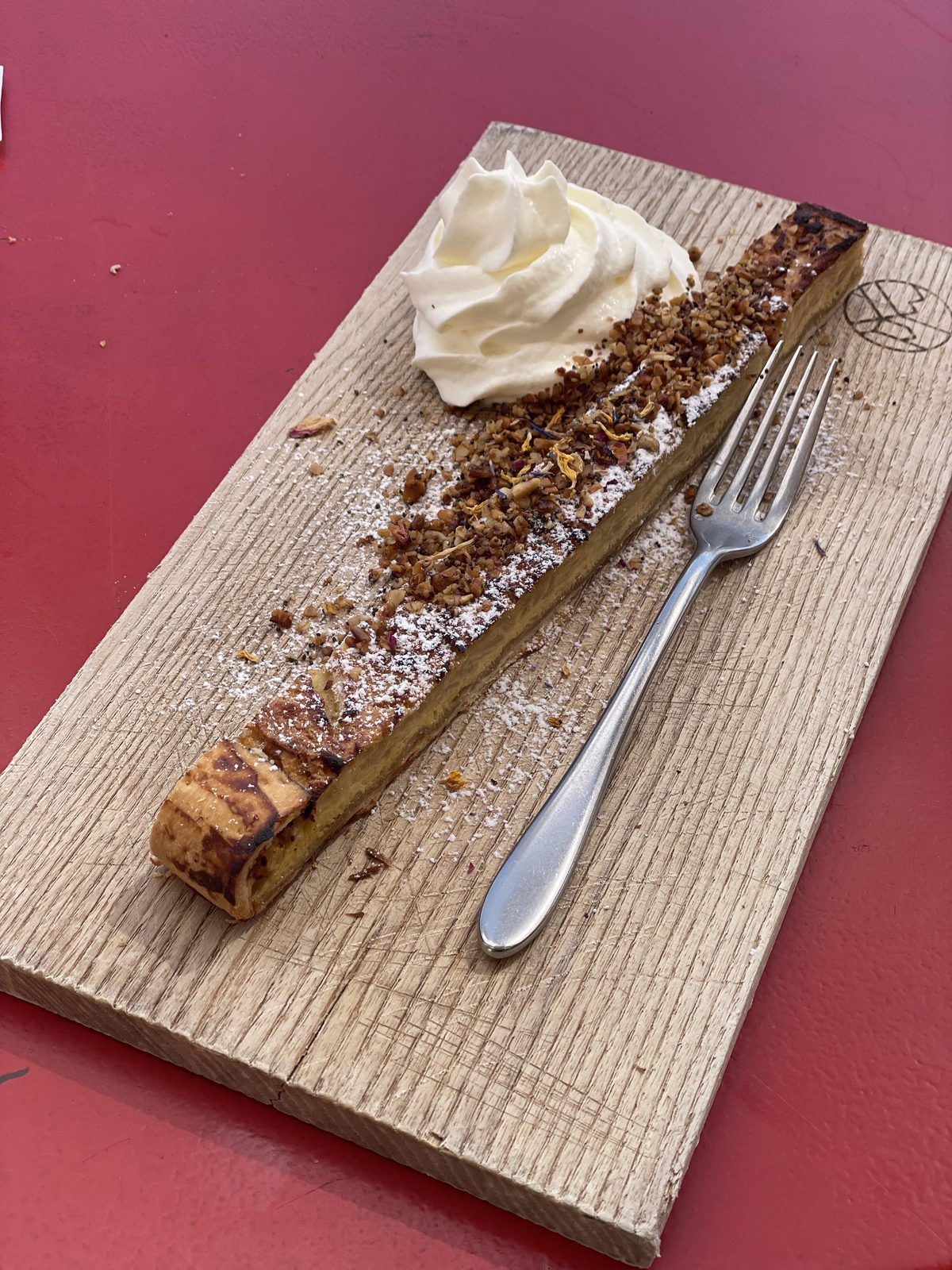
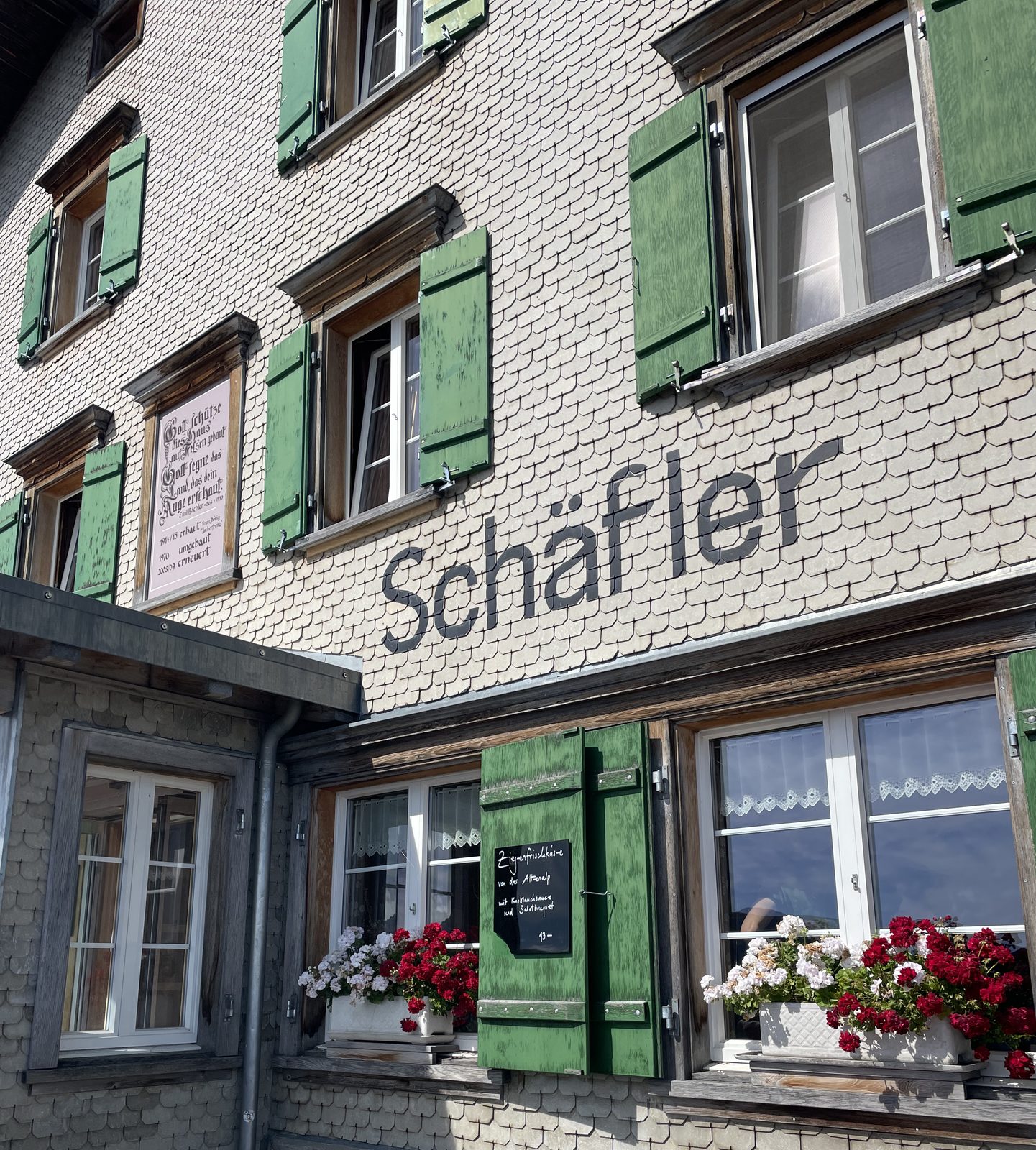
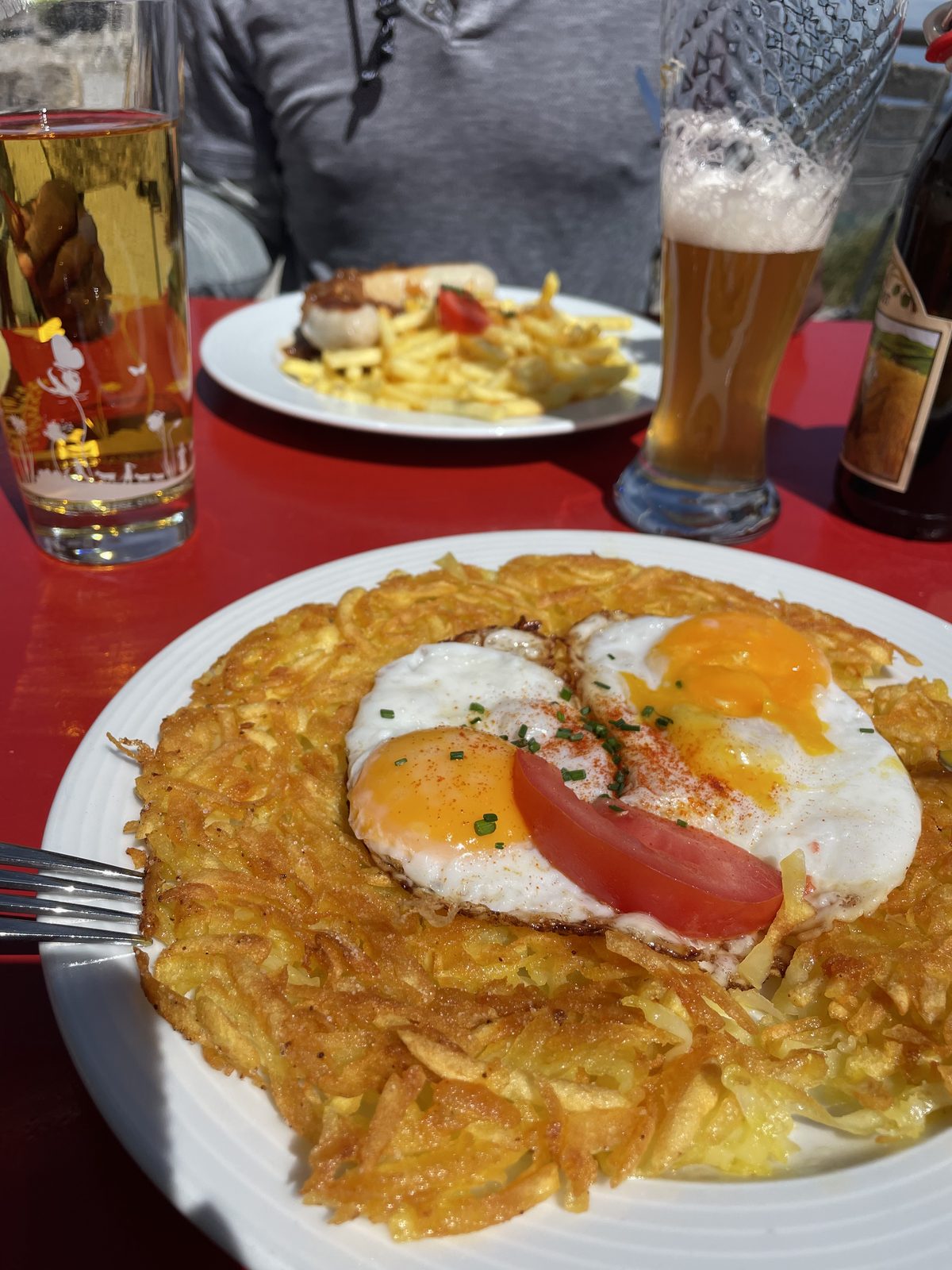
At the Schäfler inn, I ordered rösti and eggs, washed down with an Apfelschorle (sparkling apple juice).
Knowing when to turn back
I was tempted to hike back to Ebenalp via Altenalp. At the start of the trail, a yellow warning sign tells hikers that the trail demands proper equipment, skills and no fear of narrow paths on a sheer cliff. At first, we thought the sign was meant for the trail on the left, and we carried on downhill. The steel cable bolted into the rock face was the first sign of danger ahead... Then the trail narrowed even more, and there was a sharp left turn that seemed to lead into the void. That is when we made the strategically sound decision to turn back and retrace our steps to Ebenalp!
I felt like I had missed an experience, but maybe not. Had we carried on, the cable would have become our handhold as we descended a ledge clinging to the cliff. The drop on one side is sheer, the vertiginous north face of Schäfler falling away beneath us. Metal rungs and bolted steps assist experienced hikers on the steepest pitches. After that, the trail resumes its friendly shape, mostly. It is not for novice hikers, as many of the region's hiking accidents happen on that section of the trail…
Back down to Wasserauen
Safely back at Ebenalp, we waited for the gondola. It filled to maximum capacity; we squeezed in and landed softly back in Wasserauen. All passengers were asked to remove their backpacks, but it felt like riding the subway in Tokyo at rush hour!
Before catching the train back to the city, we soaked our feet in the frigid water of a small stream in front of the gondola station. It was blissful and reinvigorating.
Good to know
Getting there
- Zurich to Wasserauen: almost two and a half hours by train. The gondola to Ebenalp leaves from next to Wasserauen station.
- Gondola tickets: some Swiss rail passes give a discount. Mine got us half price on a return ticket.
Hiking Ebenalp to Schäfler
- The route: about 90 minutes from the Ebenalp gondola station to the Schäfler inn, at about 1,924 meters (6,300 feet). Steep in places, on rocky trails. Wear sturdy boots.
- The Altenalp trail: take the warning sign seriously. This route uses fixed cables, metal rungs and a narrow ledge above a sheer drop. It is for experienced hikers with the right equipment and a head for heights. If in doubt, return the way you came.
- The gondola down: it can fill to capacity at the end of the day, and you'll be asked to take off your backpack.
Wine in and around Zurich
- Tastings: many wineries offer tastings only for groups, on certain days, or outside the harvest. Urban wine shops can be easier: ask in advance.
- Diederik in Küsnacht: wine tasting every Saturday. Vineyard tours for groups of six or more, on weekdays, between April and August.
Details as of September 2026.